Q&A: Anger, ADHD, Lying, OCD, and Big Feelings
Sep 17
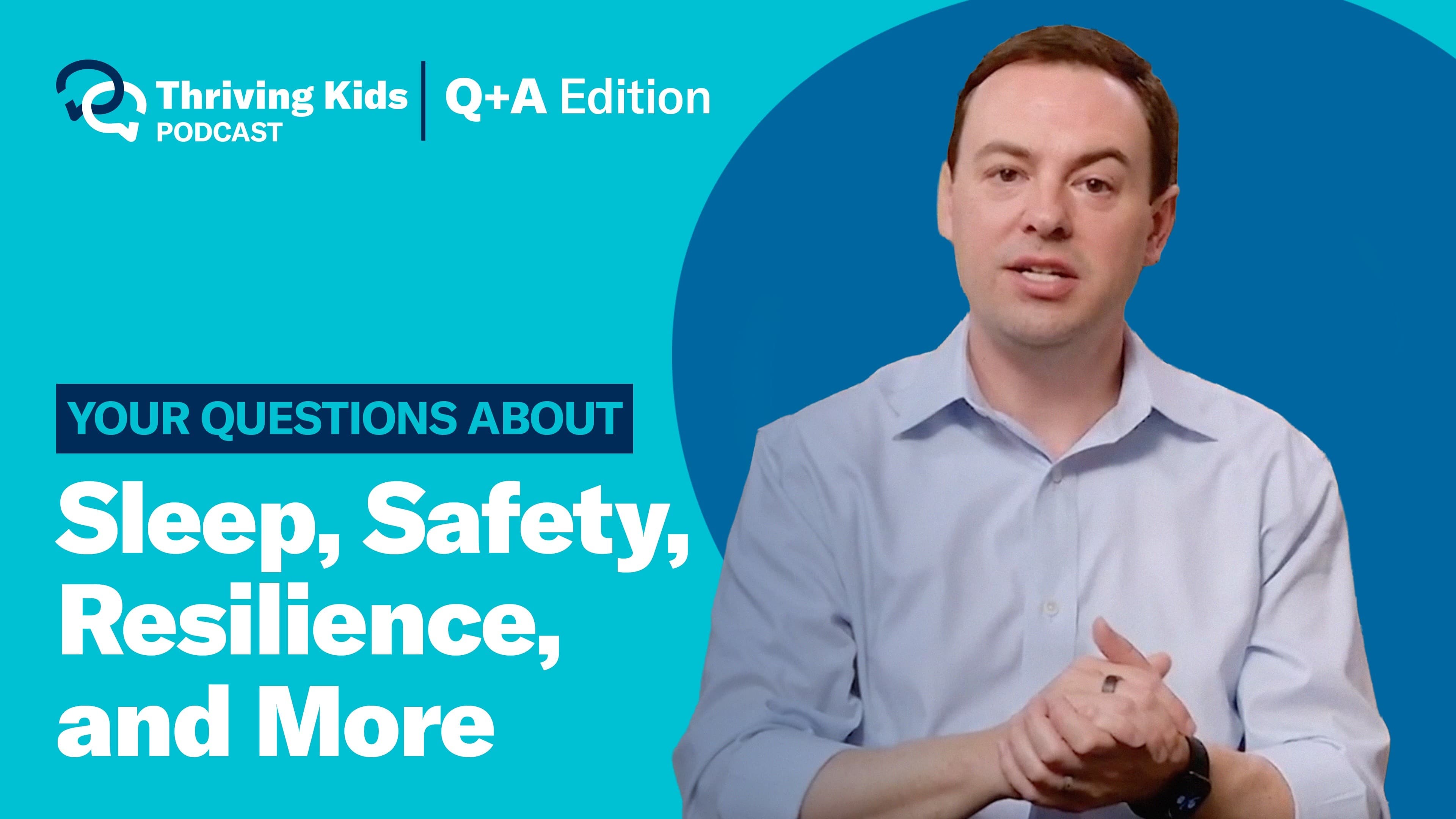
In this Q&A episode of Thriving Kids, Dr. Dave Anderson answers eight parent questions about some of the most common — and challenging — behaviors families face. From aggression and ADHD to lying, motivation, OCD, and big emotions, Dr. Dave explains what may drive these behaviors and offers practical, evidence-based strategies parents can use to respond.
In this episode, Dr. Dave covers:
• Why is my three-year-old so angry and aggressive?
• How can I help a child with ADHD without medication?
• My child is out of control. Where can I send him?
• How do I motivate a “lazy” child?
• How do I explain OCD to a child?
• Why does my child lie about everything?
• Why won’t my child listen unless I yell?
• Why is my child so sensitive?
Key takeaways
• Anger and aggression in young children can stem from temperament, development, family stress, and other factors. Behavioral parent training can help parents combine warmth with clear expectations and consistent consequences.
• Medication is not the only evidence-based ADHD treatment. Parent training, classroom support, organizational skills, and help with peer relationships can all be effective but require consistent adult involvement.
• Even when behavior feels out of control, behavioral and family interventions can help. Families may also consider school-based services, therapeutic programs, residential treatment, or hospitalization when safety is a concern.
• What looks like “laziness” may reflect depression, ADHD, learning challenges, or other difficulties. Parents can build motivation through meaningful rewards and opportunities for success.
• OCD involves intrusive thoughts and/or repetitive behaviors a person feels driven to perform. Treatment, including exposure and response prevention (ERP), can help kids tolerate anxiety without compulsions.
• Lying is common in childhood. Parents can emphasize honesty, reinforce truth-telling — especially when it’s difficult — and use calm, proportionate consequences when needed.
• If kids only listen after a parent yells, the family may be in a coercive cycle. Calm directions and predictable consequences can break the pattern and show that yelling isn’t what makes a direction matter.
• Some children experience emotions more intensely. Parents can help them identify feelings, build coping skills, and learn to move forward after difficult moments.
Further Reading
Angry Kids: Dealing With Explosive Behavior
Behavioral Treatments for Kids With ADHD
School Success Kit for Kids With ADHD
Why Kids Lie and What Parents Can Do About It